Search icon CANCEL
Subscription
0
Cart icon
Your Cart (0 item)
Close icon
You have no products in your basket yet
Save more on your purchases! discount-offer-chevron-icon
Savings automatically calculated. No voucher code required.
Arrow left icon
Explore Products
Best Sellers
New Releases
Books
Videos
Audiobooks
Learning Hub
Newsletter Hub
Free Learning
Arrow right icon
timer SALE ENDS IN
0 Days
:
00 Hours
:
00 Minutes
:
00 Seconds
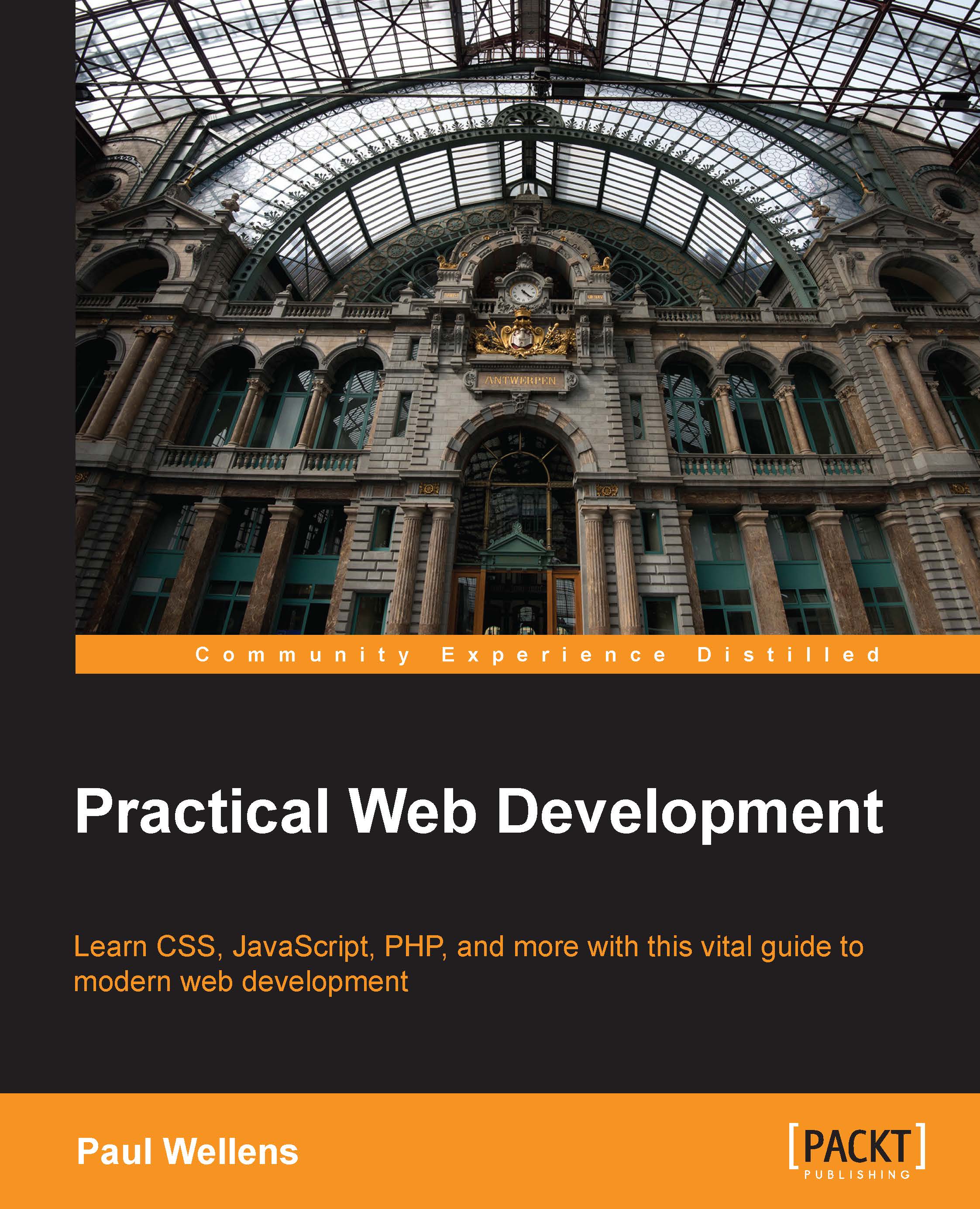
Practical Web Development

Practical Web Development: Learn CSS, JavaScript, PHP, and more with this vital guide to modern web development

eBook
$35.99 $39.99
Paperback
$48.99
Subscription
Free Trial
Renews at $19.99p/m

What do you get with eBook?

Product feature icon Instant access to your Digital eBook purchase
Product feature icon Download this book in EPUB and PDF formats
Product feature icon Access this title in our online reader with advanced features
Product feature icon DRM FREE - Read whenever, wherever and however you want
Modal Close icon
Payment Processing...
tick Completed

Billing Address

Table of content icon View table of contents Preview book icon Preview Book

Practical Web Development

Left arrow icon Right arrow icon

Description

This book is perfect for beginners who want to get started and learn the web development basics, but also offers experienced developers a web development roadmap that will help them to extend their capabilities.

Who is this book for?

This book is perfect for beginners who want to get started and learn the web development basics, but also offers experienced developers a web development roadmap that will help them to extend their capabilities.

What you will learn

  • Find out how HTML lays the foundation of web development
  • Learn the fundamentals of web design using CSS
  • Harness JavaScript to bring websites to life
  • Use PHP and MySQL to dynamically generate HTML on the server
  • Learn how to write compact code with jQuery
  • Create efficient single page applications with Ajax
  • Discover JSON for a powerful data exchange between client and server
  • Design Mobile first, responsive pages that look great on mobiles, tablets, and desktops
  • Create and migrate powerful and scalable web applications with Node.js

Product Details

Country selected
Publication date, Length, Edition, Language, ISBN-13
Publication date : Jul 30, 2015
Length: 276 pages
Edition : 1st
Language : English
ISBN-13 : 9781783552740
Languages :
Tools :

What do you get with eBook?

Product feature icon Instant access to your Digital eBook purchase
Product feature icon Download this book in EPUB and PDF formats
Product feature icon Access this title in our online reader with advanced features
Product feature icon DRM FREE - Read whenever, wherever and however you want
Modal Close icon
Payment Processing...
tick Completed

Billing Address

Product Details

Publication date : Jul 30, 2015
Length: 276 pages
Edition : 1st
Language : English
ISBN-13 : 9781783552740
Languages :
Tools :

Packt Subscriptions

See our plans and pricing
Modal Close icon
$19.99 billed monthly
Feature tick icon Unlimited access to Packt's library of 7,000+ practical books and videos
Feature tick icon Constantly refreshed with 50+ new titles a month
Feature tick icon Exclusive Early access to books as they're written
Feature tick icon Solve problems while you work with advanced search and reference features
Feature tick icon Offline reading on the mobile app
Feature tick icon Simple pricing, no contract
$199.99 billed annually
Feature tick icon Unlimited access to Packt's library of 7,000+ practical books and videos
Feature tick icon Constantly refreshed with 50+ new titles a month
Feature tick icon Exclusive Early access to books as they're written
Feature tick icon Solve problems while you work with advanced search and reference features
Feature tick icon Offline reading on the mobile app
Feature tick icon Choose a DRM-free eBook or Video every month to keep
Feature tick icon PLUS own as many other DRM-free eBooks or Videos as you like for just $5 each
Feature tick icon Exclusive print discounts
$279.99 billed in 18 months
Feature tick icon Unlimited access to Packt's library of 7,000+ practical books and videos
Feature tick icon Constantly refreshed with 50+ new titles a month
Feature tick icon Exclusive Early access to books as they're written
Feature tick icon Solve problems while you work with advanced search and reference features
Feature tick icon Offline reading on the mobile app
Feature tick icon Choose a DRM-free eBook or Video every month to keep
Feature tick icon PLUS own as many other DRM-free eBooks or Videos as you like for just $5 each
Feature tick icon Exclusive print discounts

Frequently bought together


Stars icon
Total $ 147.97
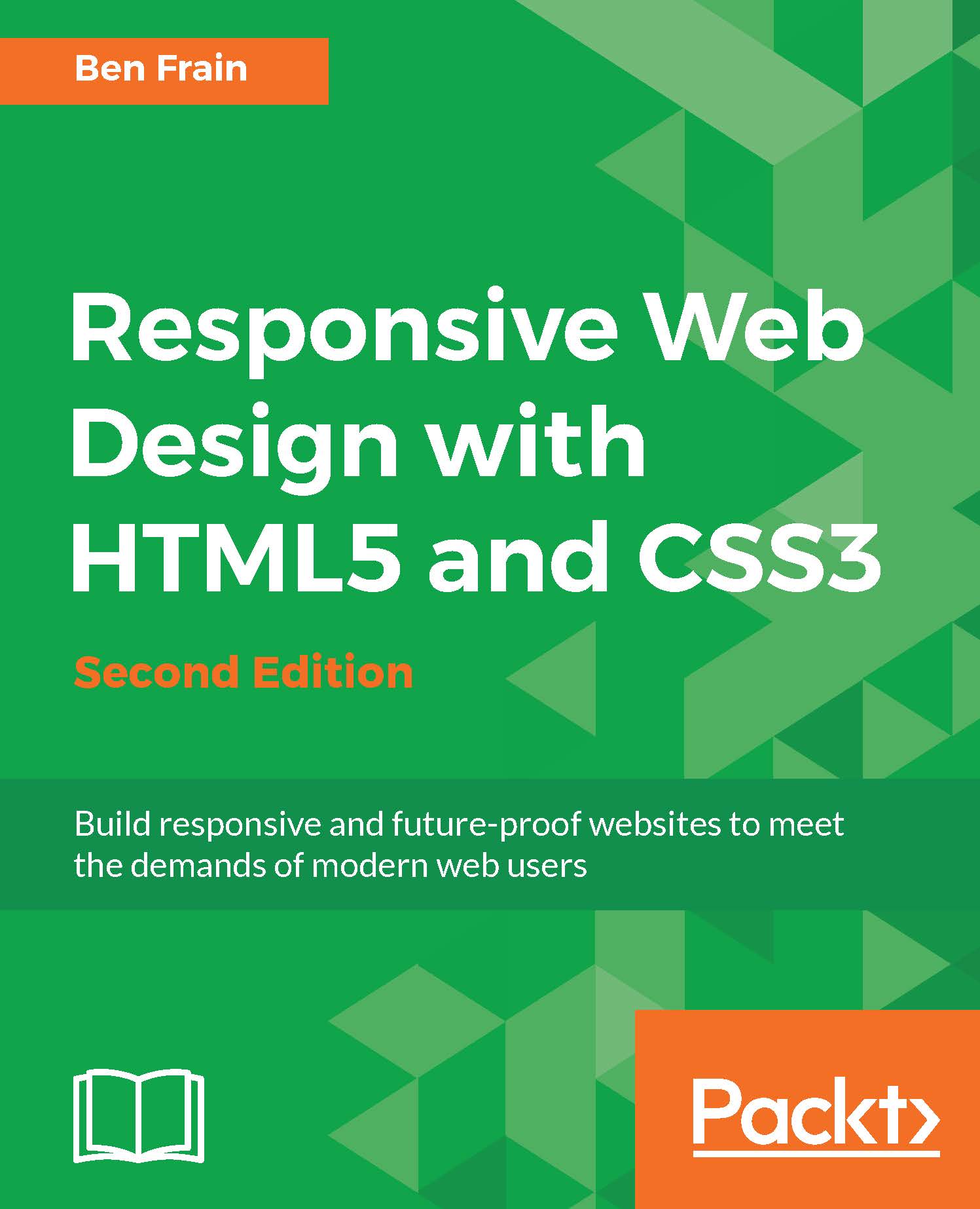
Responsive Web Design with HTML5 and CSS3, Second Edition
$54.99
Practical Web Development
$48.99
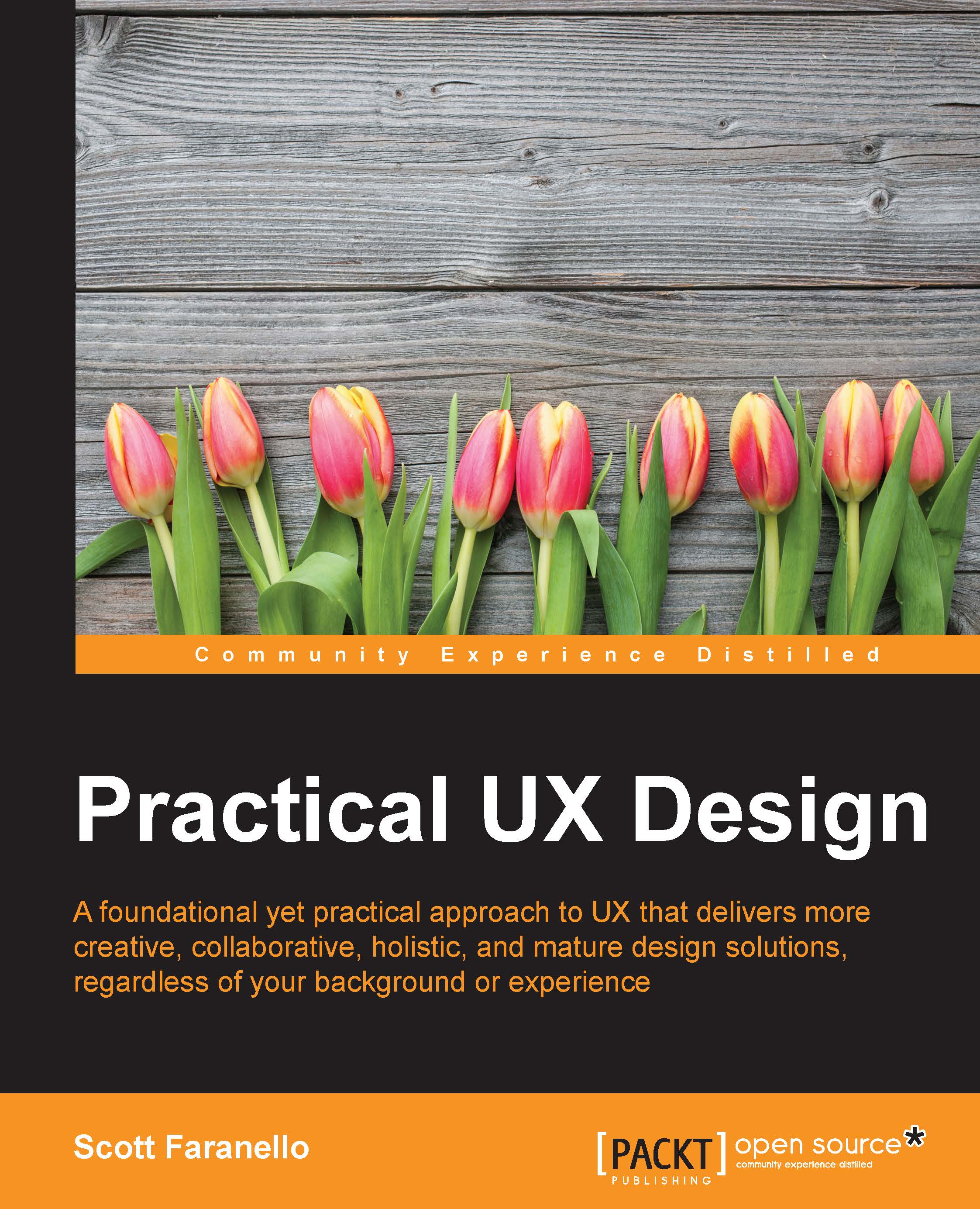
Practical UX Design
$43.99
Total $ 147.97 Stars icon

Table of Contents

16 Chapters
1. The World Wide Web Chevron down icon Chevron up icon
2. HTML Chevron down icon Chevron up icon
3. CSS Chevron down icon Chevron up icon
4. JavaScript Chevron down icon Chevron up icon
5. PHP Chevron down icon Chevron up icon
6. PHP and MySQL Chevron down icon Chevron up icon
7. jQuery Chevron down icon Chevron up icon
8. Ajax Chevron down icon Chevron up icon
9. The History API – Not Forgetting Where We Are Chevron down icon Chevron up icon
10. XML and JSON Chevron down icon Chevron up icon
11. MongoDB Chevron down icon Chevron up icon
12. Mobile First, Responsive Design with Progressive Enhancement Chevron down icon Chevron up icon
13. Foundation – A Responsive CSS/JavaScript Framework Chevron down icon Chevron up icon
14. Node.js Chevron down icon Chevron up icon
A. Bootstrap – An Alternative to Foundation Chevron down icon Chevron up icon
Index Chevron down icon Chevron up icon

Customer reviews

Top Reviews
Rating distribution
Full star icon Full star icon Full star icon Half star icon Empty star icon 3.5
(6 Ratings)
5 star 16.7%
4 star 50%
3 star 16.7%
2 star 0%
1 star 16.7%
Filter icon Filter
Top Reviews

Filter reviews by


Michael Larsen Sep 11, 2015
Full star icon Full star icon Full star icon Full star icon Full star icon 5
At this point in time, programming for the web is a multi-faceted endeavor. There are so many choices and approaches that can be used, and technologies that can be called into action, that it is impossible to know them all. Gone are the days of basic HTML and some CGI scripts being all you’d need to deliver a web experience. Don’t get me wrong, there are still sites out there that are basically this simple, but they are not outnumbered by sites that offer much greater interaction, customization and the ability to display on multiple platforms. To do that effectively, more is needed.The challenge with most web development books (or programming books of any type, actually) is that it takes several hundred pages to cover everything needed, or the books are lean and abstract, with the reader having to do a lot of their own research and tinkering to make the examples work. "Practical Web Development" by Paul Wellins (Packt Publishing) takes a slice down the middle. It doesn’t pretend it will be able to show you everything in great detail, but it also looks to give some practical examples with the most common elements and some exercises to work and build on. Wellins progresses from basic HTML, CSS and JavaScript to using PHP, MySQL jQuery, AJAX, History API, XML & JSON, MongoDB, Responsive Design, Foundation framework and Node.JS. Make no mistake, that’s a lot of ground to cover in 276 pages.So how well does Paul traverse this formidable mountain range of topics?Part One of the book focuses on the central elements of a “stack” that allows a web site to exist in the first place, nd gives an over view of the technologies that work with that web server.Chapter 1 covers THE WORLD WIDE WEB, specifically where it’s been, where it is, and where it looks to be going. It’s a whirlwind history lesson that covers a lot of technologies that we take for granted today. For the purpose of the book, the emphasis is being placed on HTML, CSS, JavaScript and PHP, with a back end database using SQL. Therefore, up front, five “languages” need to be learned to be effective and use the book. Fortunately, the amount of each language that is needed to be learned will grow with each subsequent chapter, so you get a chance to use each of them as the book professes.Chapter 2 focuses on the basics of HTML and the most common tags used for markup of pages. Rather than give an exhaustive run down of all the tag elements, Paul gives us the ones that are the most useful and likely to be used when developing a basic site (headings, paragraphs, links, form elements tables and divs, which are best described as self contains rectangles of HTML). Paul also makes the distinction between the structure of a document (which is done with HTML) and the styling touches, which are handled in the next chapter.Chapter 3 covers what Paul feels are the most useful aspects of CSS, which is all about the syntax that affect the overall look and feel of your pages. The structure of the box model is central to CSS and being able to manipulate the data in a variety of boxes (often the aforementioned HTML div’s) helps to keep the style elements both contained and optimally configured. A recommendation for the use of Firebug or Development Tools in your respective browser is also recommended, as there are a lot of possibilities within CSS and ways to apply them.Chapter 4 takes us on a tour of JAVASCRIPT with a dose of Programming 101, and builds on some of the basic building blocks of of all programming languages while focusing on the core elements that make JavaScript useful in web pages and applications, specifically as a client side programming language. Variables and variable declarations are covered, manipulation of strings and numbers, operators, control flow, functions, and objects all get a brief but focused examination. The final part of the chapter talks about using the Document Object Model (DOM) and ways to work with objects, properties methods and events. Again, it’s a high level view, but one in which you feel like you can relate to what’s being presented.Chapter 5 introduces PHP, which is a language designed specifically for server side interactions. Again, like the previous chapters, this section focuses on what most users would need to make something work on the server using PHP, not a complete rundown of the syntax. This chapter also goes through the basics of what you need to do to check if your web host is set up to support PHP and what to do if it isn’t.Chapter 6 adds more about PHP, specifically in conjunction to working with a MYSQL database. The chapter starts with a basic understanding of databases in general ,and then MySQL in particular. It introduces the way that databases work and how MySQL fits into the web stack. phpMyadmin is covered as well, which allows you to administer a SQL database via the php utility. It also walks the user through several commonly used database commands and fundamental queries.Part II of Practical Web Development aims to help us break away from the model of multiple pages where a few will suffice, and to get away from static pages to those that are more interactive, dynamic and responsive to the platform it is being displayed on.Chapter 7 covers JQUERY, which is a JavaScript library that emphasizes a small footprint. It uses CSS selector style syntax that specify DOM elements. Again, the coverage is not exhaustive, but it give enough to show the general approach to using jQuery as part of your page development and the most likely to be used aspects of the library.Chapter 8 focuses on AJAX (Asynchronous JavaScript and XML) which is really a handful of different techniques that allow for data to be retrieved in small pieces without requiring the entire web page be reloaded. jQuery has several methods that allow for AJAX to be used. $.load and $post both allow for portions of the screen to be replaced with fresh HTML, dynamically generated or programmatically placed.Chapter 9 covers THE HISTORY API, which becomes very important when you start creating a site that is based primarily around a single page. rather than direct a user to the previous site they were on before coming to ours, the History API allows the users to navigate back to states of the page, or to allow for a bookmark URL to represent the state of the page bookmarked.Chapter 10 focuses on using XML (extensible Markup Language) and JSON (JavaScript Object Notation) as data formats to be used as an alternative to HTML.XML files can be seen as small databases. XML Schema defines the structure XML files, while XSLT creates stylesheets for converting XML into different formats. SimpleXML allows for paged to be created and processed using PHP. JSON is a lean format that gets processed like JavaScript objects in the browser, and therefore requires much less overhead.Chapter 11 introduces us to MONGODB, which is a type of NoSQL (not relational) database. It’s more readily known as a document database, and it stores JSON objects that are grouped into collections. Web applications are capable of communicating with the MongoDB using PHP..Part Three of the book moves away from the underpinnings of the technology and deals with methods that help the loo and feel of the users experience, regardless of the platform being used.Chapter 12 focuses on MOBILE FIRST, RESPONSIVE DESIGN WITH PROGRESSIVE ENHANCEMENT (go ahead, say that ten times fast ;) ). The key idea is that, based on the platform it is being displayed, the page will dynamically tailor itself to display optimally for that device. Desktops, tablets and phones have radically different screens and needs, and Responsive Design aims to help with that. One of the key aspects of this chapter is to encourage you to focus on mobile development and display first, and then work back. Additionally, another JavaScript library called EnhanceJS allows for different experiences to be displayed depending on the browser being used or the platform accessing the content.Chapter 13 introduces FOUNDATION – A RESPONSIVE CSS/JAVASCRIPT FRAMEWORK. The idea behind Foundation is that it lets us focus on developing a site without having to reinvent the wheel on the responsive part. By using a grid system, you can determine how many areas can be used depending on the size of the screen, so that the site expands and reformats based on the grid. Foundation also includes a number of UI enhancements that make it easier to put together navigation, image display and other details that make interacting with a site easier based on the available real estate.Chapter 14 closes out the book with an introduction to NODE.JS, which is, at its core a fundamental break with all of the rest of the web development options discussed in the previous chapters. Rather than require a whole host of technologies, everything can be written within Node, which then translates everything to native JavaScript (and by extension HTML, CSS, etc.). This can be done using the Express framework, which is described in basic detail, and the idea of templating (which is what PHP does), using handlebars.js.An Appendix section describes BOOTSTRAP - AN ALTERNATIVE TO FOUNDATION. The same exercises Paul described in Chapter 13 he tackles here, but uses Bootstrap.JS. It meets a similar goal, i.e. making a mobile-first, responsive site without having to reinvent the wheel to provide the responsive part.Bottom Line:The title of the book is Practical Web Development, and a special emphasis needs to be placed on the “Practical” part of the title. Paul has strived to make a book that is accessible, easy to follow, and lean enough to be usable without getting the reader lost in the weeds. I’ve long been looking for a book that would be a soup to nuts title, one that could be the starting point for someone to start with developing for the web, and have a single source to get up and running. Is this that book? It’s pretty darn close! There’s lots of additional areas that could have been covered, but to his credit, Paul has made a title that hits the high points, and a few divergences that are interesting if not mandatory. For a lean and straightforward primer on Modern Web Development approaches, this is a great place to start.
Amazon Verified review Amazon
Amazon Customer Aug 19, 2015
Full star icon Full star icon Full star icon Full star icon Empty star icon 4
There are may books in the market focusing on specialized areas of Web Development. However, I was looking for a single book to give an overview of the different technologies in Web Development area and I came across this book. This book does a great job in quickly introducing various web development technologies such as HTML, CSS, JavaScript, PHP, jQuery, Ajax, MongoDB, Responsive Design, and Node.js. For in-depth understanding you may have to refer to another books focusing on specialized areas such as Node.js or NoSQL development. Overall I found this a handy book for quick overview on Web Development.
Amazon Verified review Amazon
Carles Aug 16, 2015
Full star icon Full star icon Full star icon Full star icon Empty star icon 4
The book is a good way to introduce all the necessary concepts of web development to beginners, covering areas from basic http mechanics to advanced actual technologies like responsive design or node.js. My only concern about the book regards the very low deepness treating all this concepts. As I said before it's a good book to novice web developers writing their first web app or changing te focus from desktop apps to web or cloud oriented ones. For me, as a trained web developer the book doesn't fit my needs, besides being useful as a quick reference manual. So my advice is to check your skills on this matter before buying this book, otherwise you can find really good books from this same publisher that may fit your needs better.
Amazon Verified review Amazon
Fine Reader Aug 16, 2015
Full star icon Full star icon Full star icon Full star icon Empty star icon 4
Good introductory primer on web programming topics. HTML, CSS, JavaScript, PHP are covered, as well as jquery, ajax, and SQL. Also includes a brief introduction to core programming concepts ("Programming 101"). Would recommend this book for someone who is interested in learning web development but does not have a programing background. It gives a solid framework on which to build further skills and the vocabulary to bridge the gap between beginner and intermediate levels.
Amazon Verified review Amazon
Andrew Valdez Sep 23, 2015
Full star icon Full star icon Full star icon Empty star icon Empty star icon 3
Paul Wellens got it right.....and wrong...I will say that this book is 'Practical', in that the information in it covers a range of web development technologies but not in the manner of which you assume by looking/reading the title. Like many, I made the assumption that the book teaches you how to develop websites with the bare essentials, making it "Practical". However, you don't actually build anything...what you really do instead is read up on the various programming languages. Unfortunately, you just don't actually do anything with them. I didn't read the entire book but I did get up to chapter 9...After skimming through the rest I realized this isn't necessarily what I needed. This is more of a refresher guide in my honest opinion. Thankfully, I didn't purchase the book...I was able to read it through my Safari Online account. Either way, if your new to programming all together and want to get into web development, this is definitely not the way to go. If you have programming knowledge and experience, this is still not the way to go. I would suggest this for anyone already associated with common web programming languages (html, php, css, javascript, MySQL, jQuery etc...)
Amazon Verified review Amazon
Get free access to Packt library with over 7500+ books and video courses for 7 days!
Start Free Trial

FAQs

How do I buy and download an eBook? Chevron down icon Chevron up icon

Where there is an eBook version of a title available, you can buy it from the book details for that title. Add either the standalone eBook or the eBook and print book bundle to your shopping cart. Your eBook will show in your cart as a product on its own. After completing checkout and payment in the normal way, you will receive your receipt on the screen containing a link to a personalised PDF download file. This link will remain active for 30 days. You can download backup copies of the file by logging in to your account at any time.

If you already have Adobe reader installed, then clicking on the link will download and open the PDF file directly. If you don't, then save the PDF file on your machine and download the Reader to view it.

Please Note: Packt eBooks are non-returnable and non-refundable.

Packt eBook and Licensing When you buy an eBook from Packt Publishing, completing your purchase means you accept the terms of our licence agreement. Please read the full text of the agreement. In it we have tried to balance the need for the ebook to be usable for you the reader with our needs to protect the rights of us as Publishers and of our authors. In summary, the agreement says:

  • You may make copies of your eBook for your own use onto any machine
  • You may not pass copies of the eBook on to anyone else
How can I make a purchase on your website? Chevron down icon Chevron up icon

If you want to purchase a video course, eBook or Bundle (Print+eBook) please follow below steps:

  1. Register on our website using your email address and the password.
  2. Search for the title by name or ISBN using the search option.
  3. Select the title you want to purchase.
  4. Choose the format you wish to purchase the title in; if you order the Print Book, you get a free eBook copy of the same title. 
  5. Proceed with the checkout process (payment to be made using Credit Card, Debit Cart, or PayPal)
Where can I access support around an eBook? Chevron down icon Chevron up icon
  • If you experience a problem with using or installing Adobe Reader, the contact Adobe directly.
  • To view the errata for the book, see www.packtpub.com/support and view the pages for the title you have.
  • To view your account details or to download a new copy of the book go to www.packtpub.com/account
  • To contact us directly if a problem is not resolved, use www.packtpub.com/contact-us
What eBook formats do Packt support? Chevron down icon Chevron up icon

Our eBooks are currently available in a variety of formats such as PDF and ePubs. In the future, this may well change with trends and development in technology, but please note that our PDFs are not Adobe eBook Reader format, which has greater restrictions on security.

You will need to use Adobe Reader v9 or later in order to read Packt's PDF eBooks.

What are the benefits of eBooks? Chevron down icon Chevron up icon
  • You can get the information you need immediately
  • You can easily take them with you on a laptop
  • You can download them an unlimited number of times
  • You can print them out
  • They are copy-paste enabled
  • They are searchable
  • There is no password protection
  • They are lower price than print
  • They save resources and space
What is an eBook? Chevron down icon Chevron up icon

Packt eBooks are a complete electronic version of the print edition, available in PDF and ePub formats. Every piece of content down to the page numbering is the same. Because we save the costs of printing and shipping the book to you, we are able to offer eBooks at a lower cost than print editions.

When you have purchased an eBook, simply login to your account and click on the link in Your Download Area. We recommend you saving the file to your hard drive before opening it.

For optimal viewing of our eBooks, we recommend you download and install the free Adobe Reader version 9.

Modal Close icon
Modal Close icon