-
A complete Python OOP pathway from first classes through metaprogramming and custom type design
-
Sixteen detailed project assignments that reinforce difficult concepts through practical coding
-
Live coding, focused lectures, and frequent challenges that turn theory into Pythonic practice
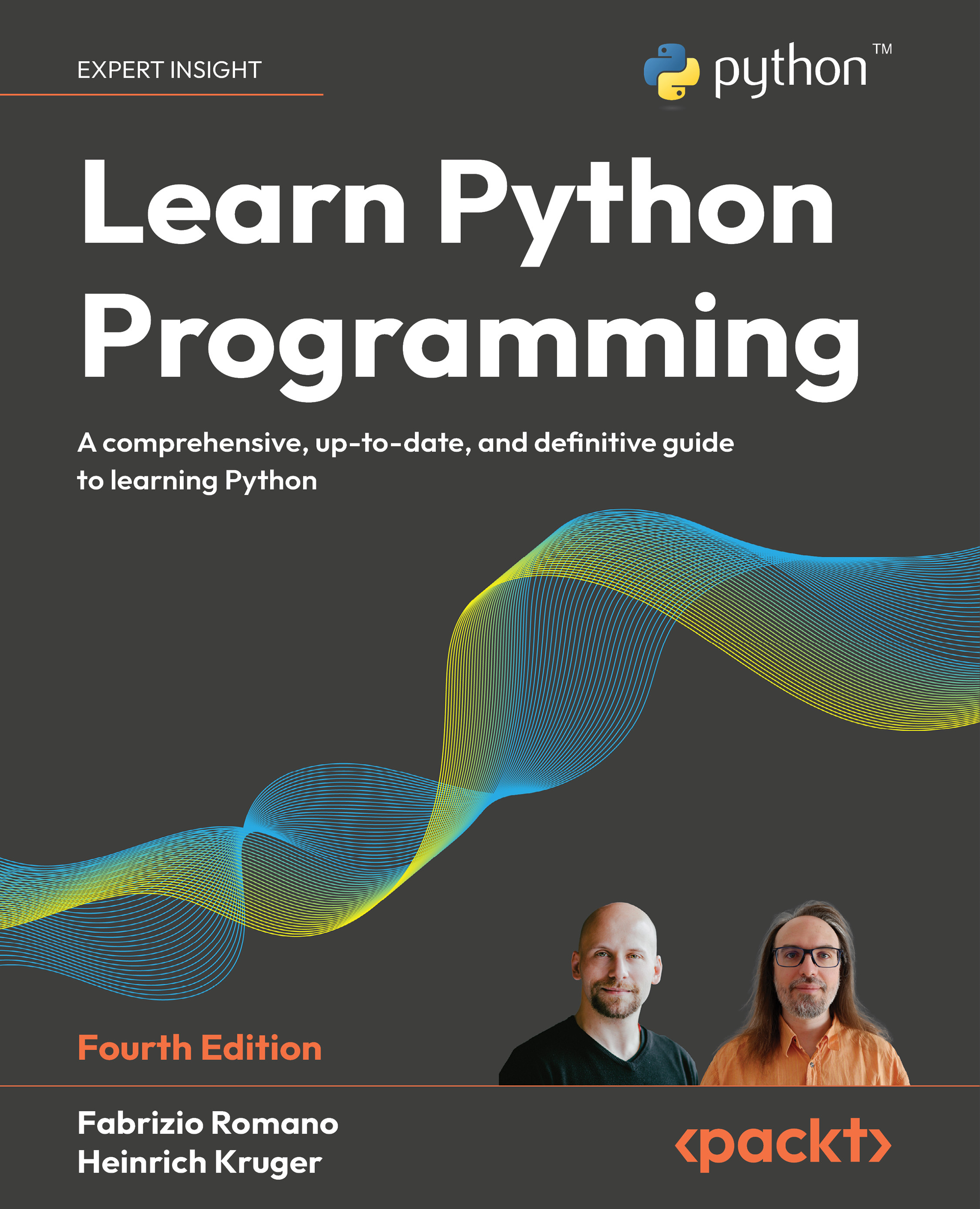
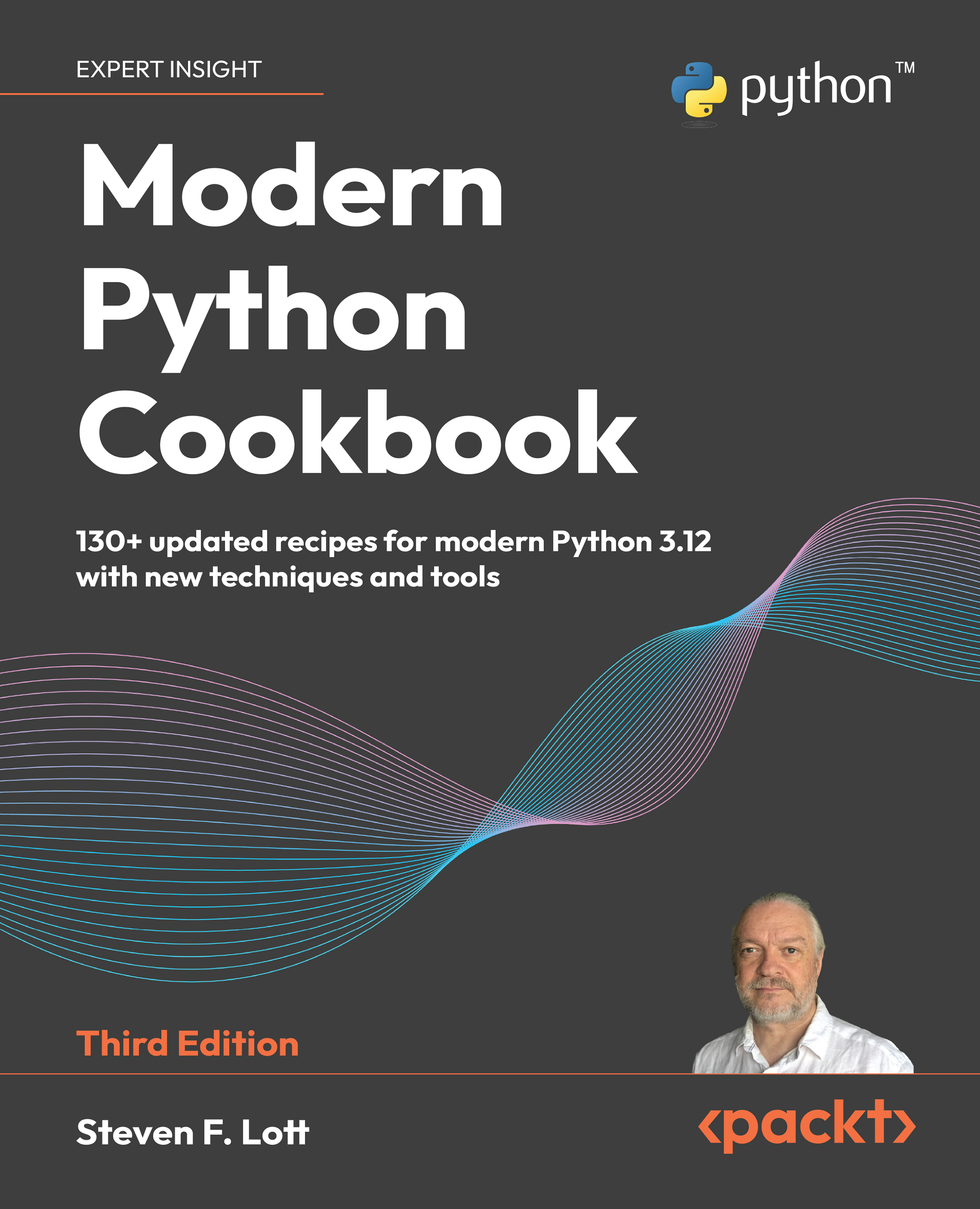
Object-oriented programming helps Python developers model real problems, organize behavior, and create reusable types. A strong grasp of the Python data model also makes code more expressive, maintainable, and consistent with the language’s conventions. The material begins from first principles, making advanced object design accessible even to learners without prior Python experience.
The learning path moves from classes, instance state, methods, dunder methods, properties, and inheritance into slots, dataclasses, descriptors, enumerations, and exception design. It then examines duck typing, dynamic protocols, abstract base classes, multiple inheritance, mixins, method resolution, and class metaprogramming. Detailed lectures, live coding, frequent practice activities, and 16 project assignments connect each concept to an object-oriented solution built with pure Python.
Learners will be able to define custom types, control representation and behavior, extend built-ins, manage attributes, design exception hierarchies, and choose appropriate inheritance or protocol-based approaches. They will also gain a clearer understanding of how Python recognizes and constructs types. By the end of this course, learners will be equipped to write more Pythonic object-oriented code and solve complex design problems with confidence.
Designed for aspiring Python programmers, developers seeking deeper OOP knowledge, and learners ready to move beyond basic syntax into object design. No prior Python knowledge is required because a full introductory appendix is included; learners should be prepared to write substantial amounts of code on a Windows, macOS, or Linux computer.
-
Design Python classes with customized behavior
-
Implement dunder methods and managed properties
-
Apply inheritance, mixins, and method resolution
-
Use dataclasses, slots, enums, and descriptors
-
Build custom exceptions and dynamic protocols
-
Create abstract classes and metaprogrammed types


 United States

 Great Britain
 India
India
 Germany
 France
 Canada
 Russia
 Spain
Spain
 Brazil
 Australia
 Singapore
 Canary Islands
 Hungary
 Ukraine
 Luxembourg
 Estonia
 Lithuania
 South Korea
 Turkey
 Switzerland
 Colombia
 Taiwan
 Chile
Chile
 Norway
 Ecuador
 Indonesia
 New Zealand
 Cyprus
 Denmark
 Finland
 Poland
 Malta
Malta
 Czechia
 Austria
 Sweden
 Italy
Italy
 Egypt
Egypt
 Belgium
 Portugal
 Slovenia
 Ireland
 Romania
 Greece
 Argentina
 Netherlands
 Bulgaria
 Latvia
 South Africa
 Malaysia
 Japan
Japan
 Slovakia
 Philippines
 Mexico
 Thailand